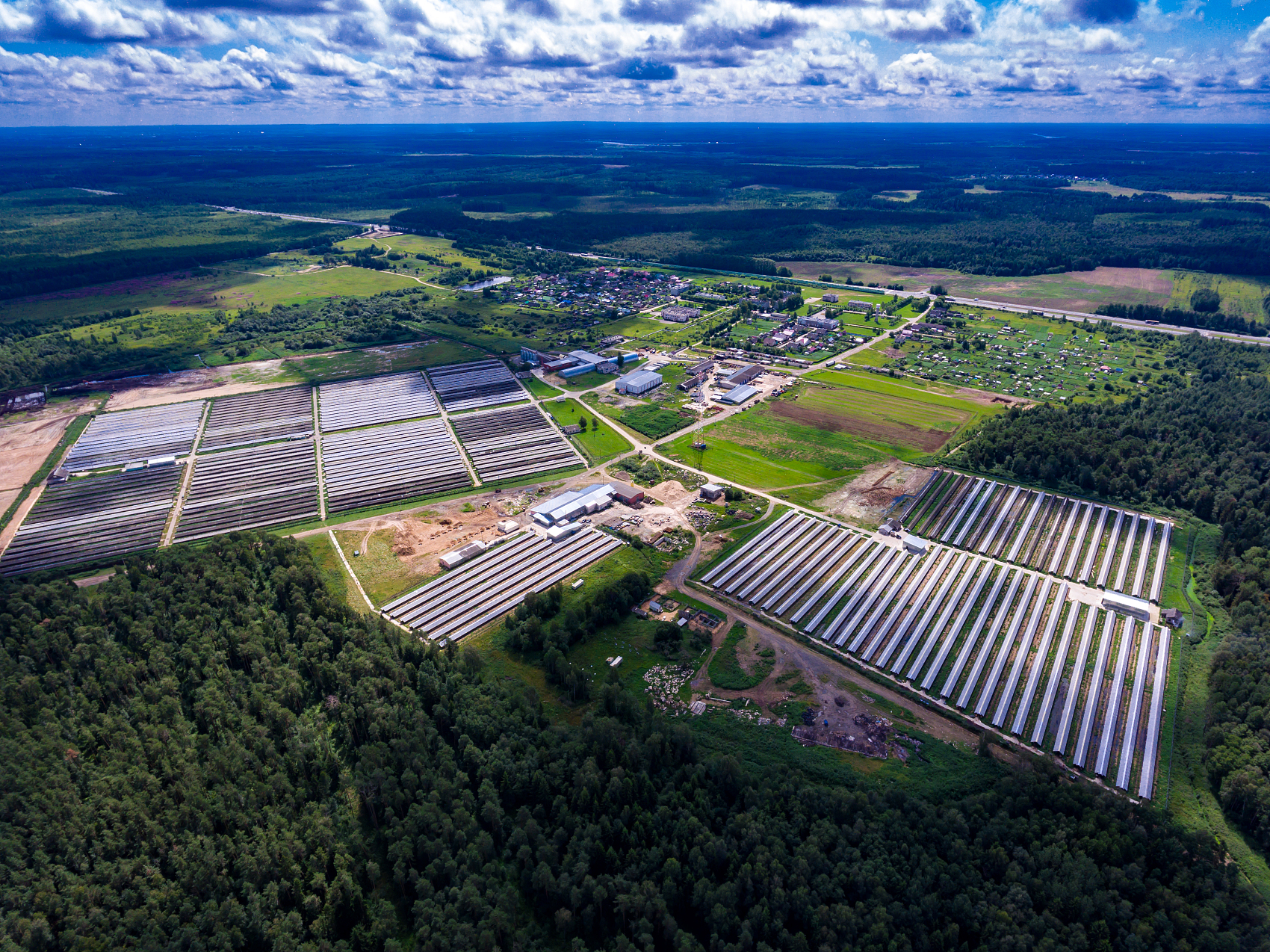
China has officially announced that value-added tax (VAT) export rebates for solar photovoltaic (PV) products will be removed starting April 1, 2026.
For international buyers, this policy update is more than a pricing topic—it highlights the importance of choosing the right solar technology, system design, and long-term solution partner, especially for residential villas, commercial buildings, and agricultural rooftops.
In this article, we explain the policy update and share how lightweight modules, BIPV systems, flexible solar panels, and solar roof tiles can help optimize projects under the new policy environment.
According to China’s Ministry of Finance and State Taxation Administration, VAT export rebates for major solar-related products—including PV modules, cells, wafers, and key components—will be gradually reduced to 0% starting from April 1, 2026.
This change reflects China’s transition toward a more market-oriented solar industry and encourages manufacturers to compete through technology, system efficiency, and application-specific solutions, rather than tax incentives.
While export rebate removal may influence pricing structures over time, the overall system cost of a solar project depends far more on design efficiency and product suitability than on module pricing alone.
For many projects—especially those involving:
Choosing the right solar solution can significantly reduce structural costs, installation complexity, and long-term maintenance expenses.
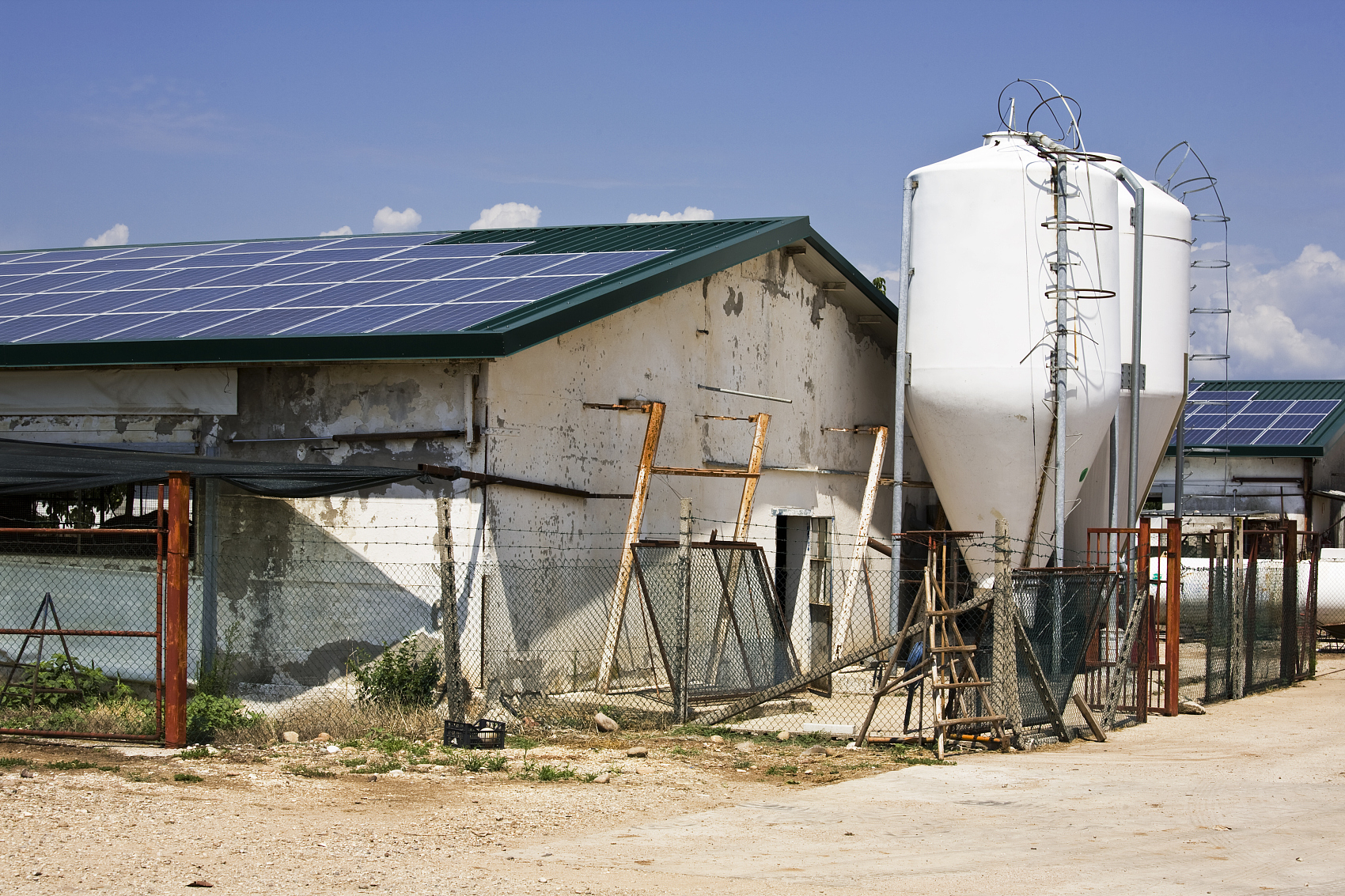
Agricultural buildings often have:
Lightweight and flexible solar modules reduce structural reinforcement needs and are ideal for:
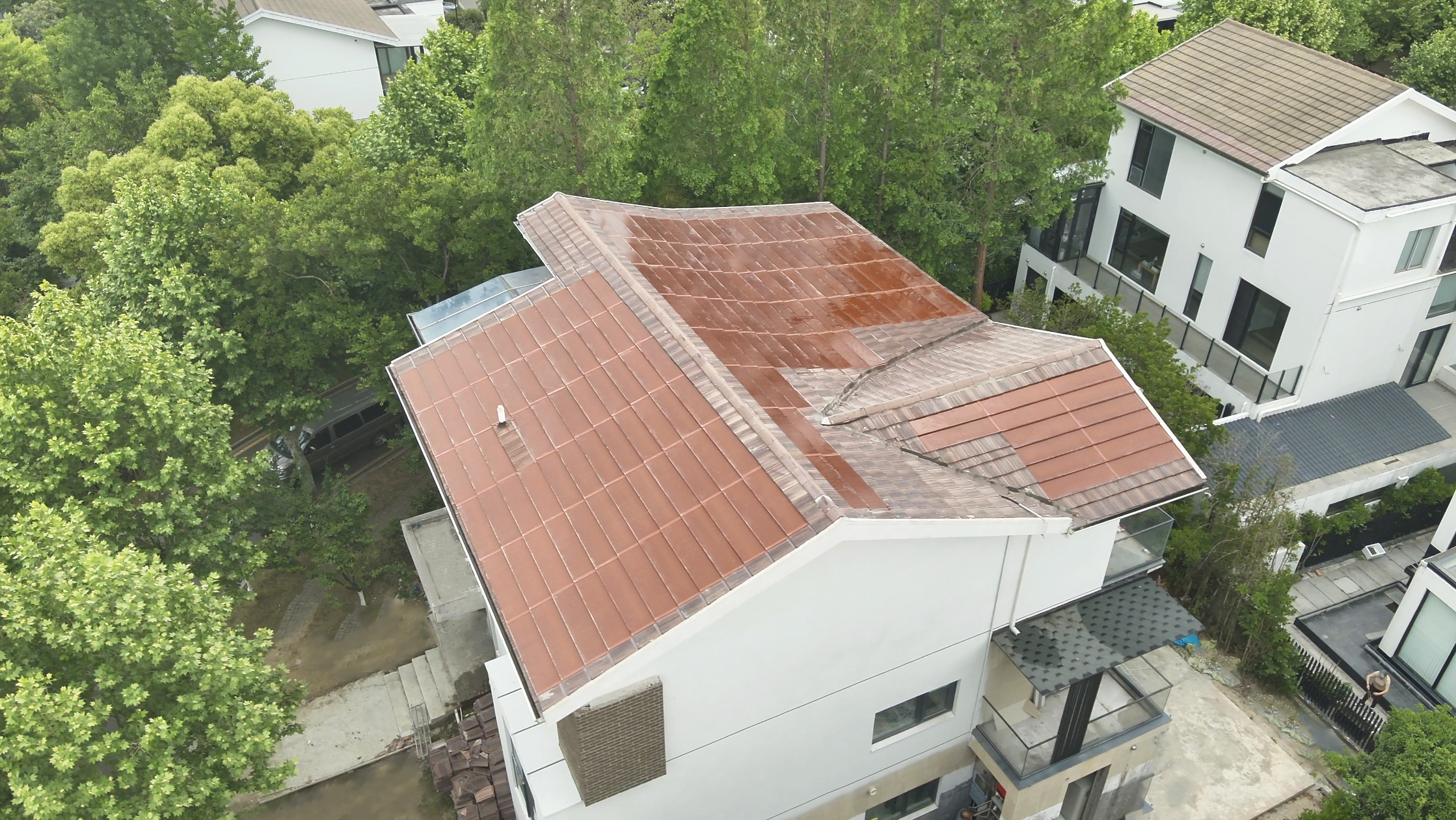
For villas and high-end residential projects, aesthetics and integration are key.
BIPV solutions and solar roof tiles combine:
They eliminate the need for traditional roofing materials, offering a clean, integrated appearance while generating renewable energy.
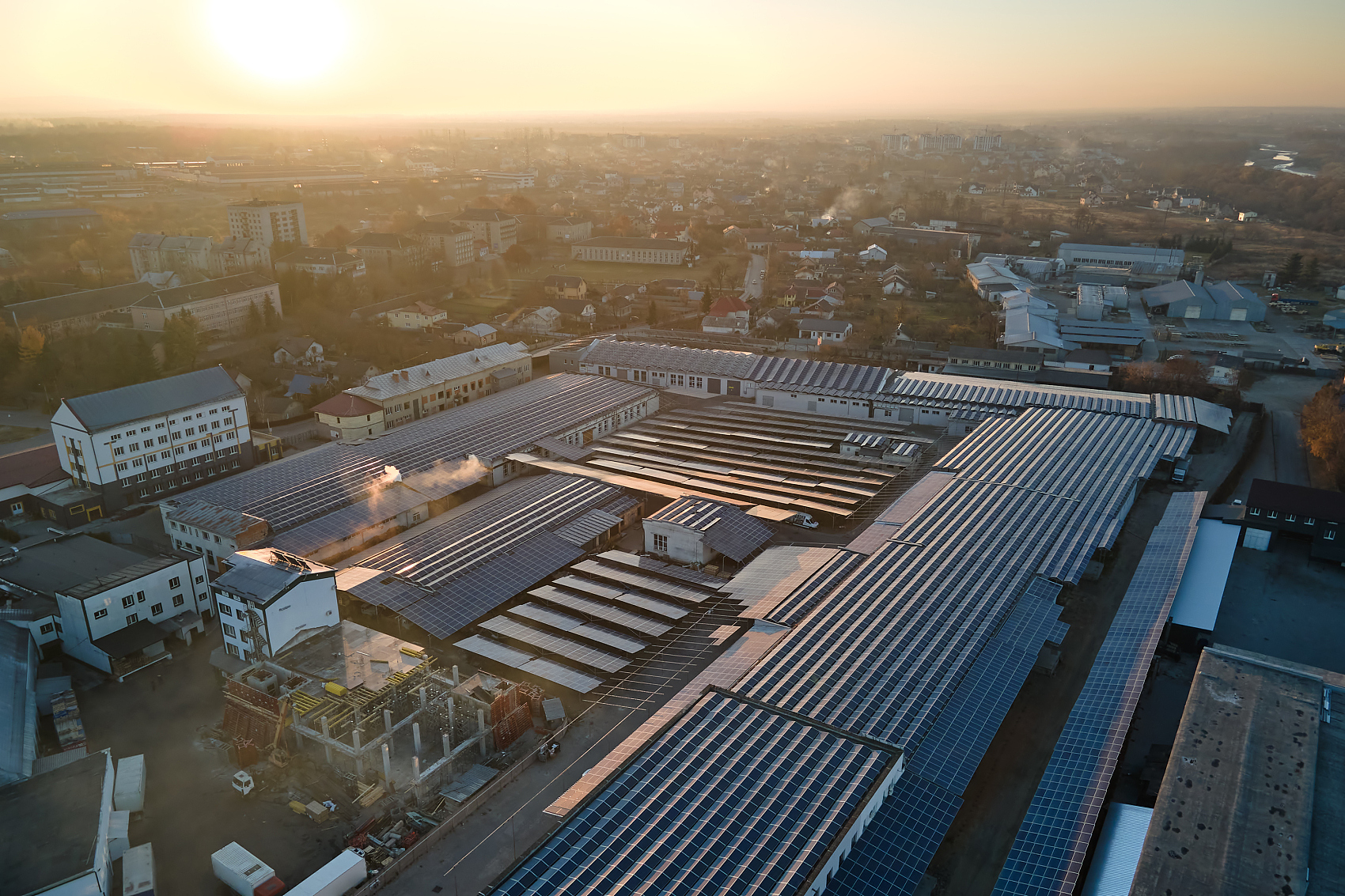
Factories and commercial buildings benefit from:
Flexible and lightweight PV solutions help maximize usable roof area while maintaining building safety.
As a supplier of solar PV modules and complete solar solutions, we focus on application-driven system design, including:
Our goal is not simply to supply modules, but to help clients optimize total project cost, performance, and long-term reliability.
With the policy implementation timeline clearly defined, early-stage project discussions provide greater flexibility and value, allowing buyers to:
This is especially beneficial for agricultural and commercial projects, where system design has a major impact on overall investment returns.
China’s solar export policy adjustment reinforces a global industry trend:
👉 Future competitiveness lies in system-level optimization, not short-term pricing.
For developers, EPC partners, and end users planning villa, commercial, or agricultural solar projects, now is an ideal time to initiate technical discussions and explore solution-based designs.
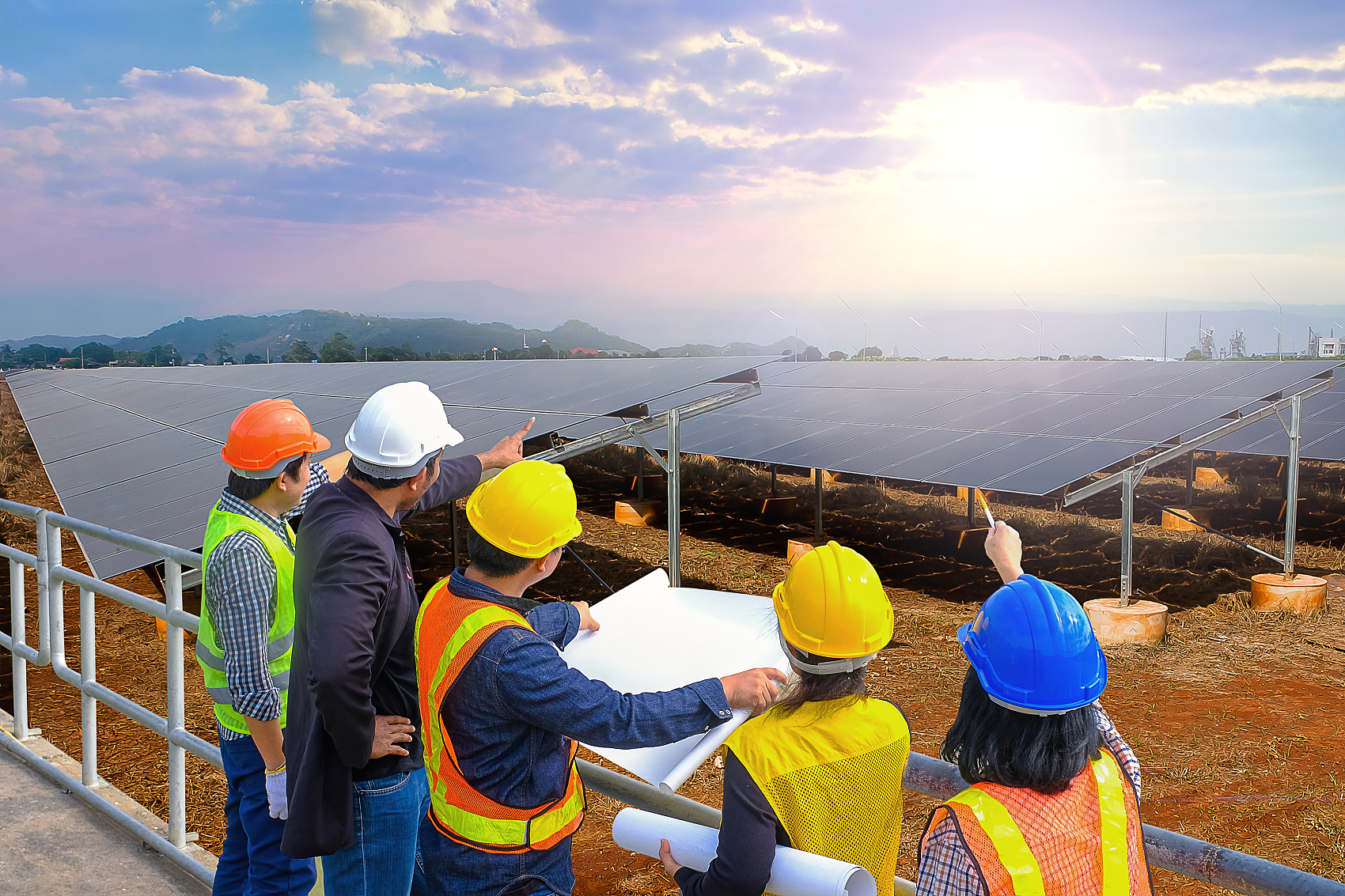
With China’s solar export policy timeline now clearly defined, early-stage planning can help project owners and developers make better technical and structural decisions—especially for residential villas, commercial rooftops, and agricultural buildings.
If you are:
We welcome early technical discussions to explore system configuration, application suitability, and long-term project optimization.
👉 Contact our technical team to discuss your project requirements and solution options.
This article is for informational purposes only. Project-specific solutions, system design, and pricing depend on application requirements and site conditions. Please contact our team for tailored solar solutions.


