With the arrival of typhoon season, the selection of PV module frames must be capable of withstanding extreme weather conditions.
According to the China Meteorological Administration, Typhoon Bavi—the ninth of the season—has intensified to Category 17 or higher (with maximum sustained winds of 62 m/s near its center) and is approaching the coast of East my country. It is forecast to make landfall along the coast near the border of Zhejiang and Fujian provinces on July 11–12, with red alerts for storm surges issued for coastal areas of Zhejiang, Shanghai, Jiangsu, and Fujian.
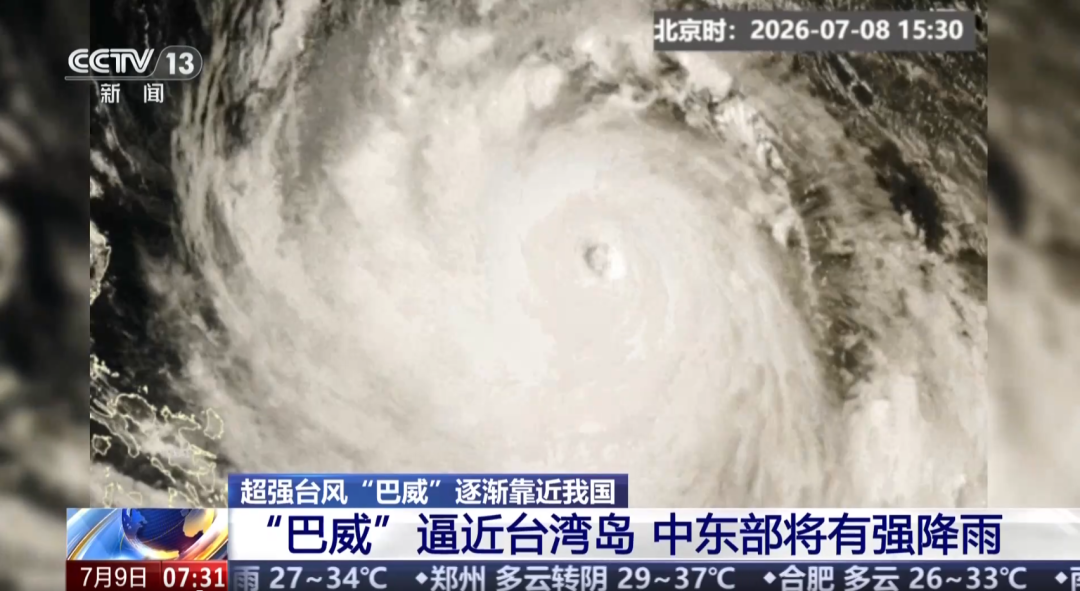
As a rare super typhoon in recent years, it poses a severe test to the structural integrity of photovoltaic (PV) power plants in East China; extreme wind pressure can cause frame failure, drastically increasing the risk of module damage and micro-cracks in cells—potentially leading to anything from reduced power generation to the total loss of the plant. With the arrival of typhoon season, the selection of PV frames must ensure the ability to withstand extreme weather conditions.
Hongsheng Composite Frames:
Meeting the challenges of extreme environments
backed by authoritative test data.
The following load test data was obtained by Hongsheng Co., Ltd. through a third-party testing agency:
· Installation method: Special reinforced insert installation
· Test module: BC module (2382 × 1134 × B30)
· Static load: 6300 Pa / 4300 Pa
· Dynamic load: ±1500 Pa, 3000 cycles
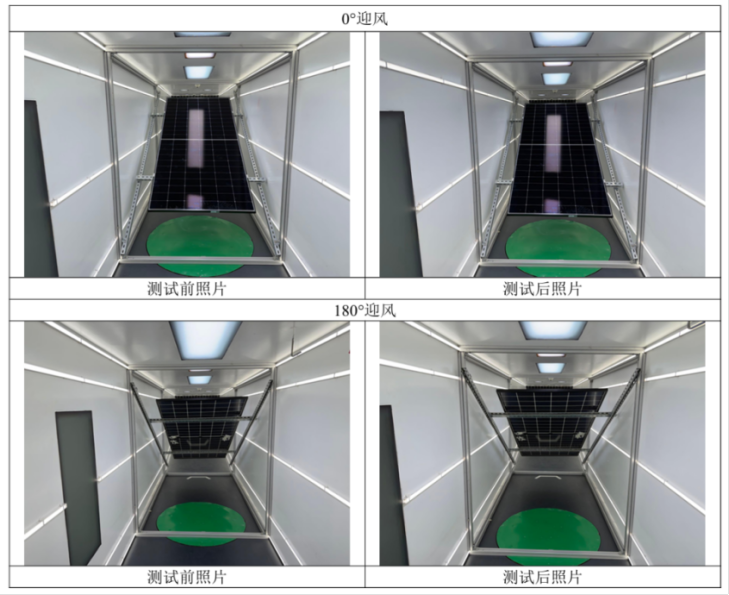
· Wind tunnel measurements: 65.1 m/s (windward side), 52 m/s (leeward side)
01
Data Insight:
Rear-side load rating: 4300 Pa
Without front-side support beams, PV modules typically undergo significant displacement when subjected to a simulated rear-side load of 4300 Pa, often resulting in issues such as frame detachment or tearing at the mounting holes. Hongsheng employs a special insert-style mounting method that converts lateral displacement and longitudinal deformation into strain on a single support point, successfully withstanding a rear-side load of 4300 Pa. This figure far exceeds industry norms, fully validating the flexural strength and structural rigidity of the composite frame in the most critical loading direction.
02
What does an extreme wind speed of 65.1 m/s mean?
According to the national standard GB/T28591-2012 (Wind Scale Table), the upper limit for a Category 17 typhoon is 61.2 m/s. Hongsheng’s composite frames recorded 65.1 m/s on the windward side—surpassing the Category 17 limit—while the leeward side withstood 52 m/s, corresponding to the Category 16 standard.
What is the significance of this? The approaching Typhoon Bavi has a peak wind speed of 62 m/s; Hongsheng’s wind tunnel test data indicates that its composite frames are capable of protecting the modules against the forces of Typhoon Bavi.
03
Why are composite frames
better suited for typhoon-prone regions?
Compared to traditional aluminum alloy frames, fiberglass-reinforced polyurethane composite frames offer unique performance advantages:
· Higher strength: The tensile strength of composite frames is more than five times that of aluminum alloy frames.
· Excellent fatigue resistance: They are resistant to residual deformation when subjected to the alternating positive and negative wind pressures characteristic of super typhoons.
· Strong corrosion resistance: They perform more stably in coastal environments with high salt-spray levels, reducing the risk of module failure caused by frame corrosion over the product's lifecycle.
It is worth emphasizing that the high strength and fatigue resistance of composite frames allow them to maintain structural stability under repeated wind loading, offering superior long-term reliability compared to traditional aluminum alloy frames—a crucial factor when selecting equipment for power plants in typhoon-prone regions. 04
Typhoon season is here;
Choosing the right frame is key to ensuring safety.
Super Typhoon "Bavi" is just the beginning. Meteorological authorities predict that two to three typhoons will affect my country in July. For investors, EPC contractors, and owners of distributed PV systems in East China, the choice of module frame serves as the first line of defense for plant safety.
Before the typhoons arrive, ask yourself: can your choice of frame withstand the test?
Note: Data regarding wind resistance performance is based on test results from third-party testing agencies under standard installation conditions; actual performance in specific projects depends on site-specific installation conditions. Please consult the technical team at Hongsheng Co., Ltd. for specialized design details.


